Order Now Your Needed Pest Control Services
ETP Tank Cleaning Service in Dhaka by ASL Services BD
Industrial wastewater management is not something you can afford to ignore. Over time, effluent treatment plant tanks collect sludge, chemicals, grease, and biological waste that directly affect plant efficiency and environmental compliance. That’s where ASL Services BD steps in with a reliable ETP Tank Cleaning Service designed for factories, commercial facilities, and industrial plants across Dhaka and nearby areas.
As a renewable and responsible cleaning company, we focus on safety, compliance, and long-term system performance, not just surface-level cleaning.
What Is ETP Tank Cleaning and Why It Matters
ETP tank cleaning is the professional removal of sludge, chemical residues, grease, and biological waste that build up inside effluent treatment plant tanks over time. These tanks play a critical role in treating industrial wastewater before it is discharged or reused. When they are not cleaned regularly, treatment efficiency drops, and the entire system becomes vulnerable to failure.
In industries such as pharmaceuticals, textiles, chemicals, and food processing, wastewater contains complex contaminants. As these settle inside the tank, they reduce holding capacity, disrupt biological treatment, and increase the risk of corrosion and blockages. This can lead to higher operating costs, unexpected shutdowns, and non-compliance with environmental regulations.
Regular ETP tank cleaning helps maintain consistent treatment performance, protects the structural integrity of the tank, and supports safe, environmentally responsible operations. It is not just routine maintenance. It is a preventive step that keeps your plant running smoothly and avoids costly long-term damage.
Our ETP Tank Cleaning Process
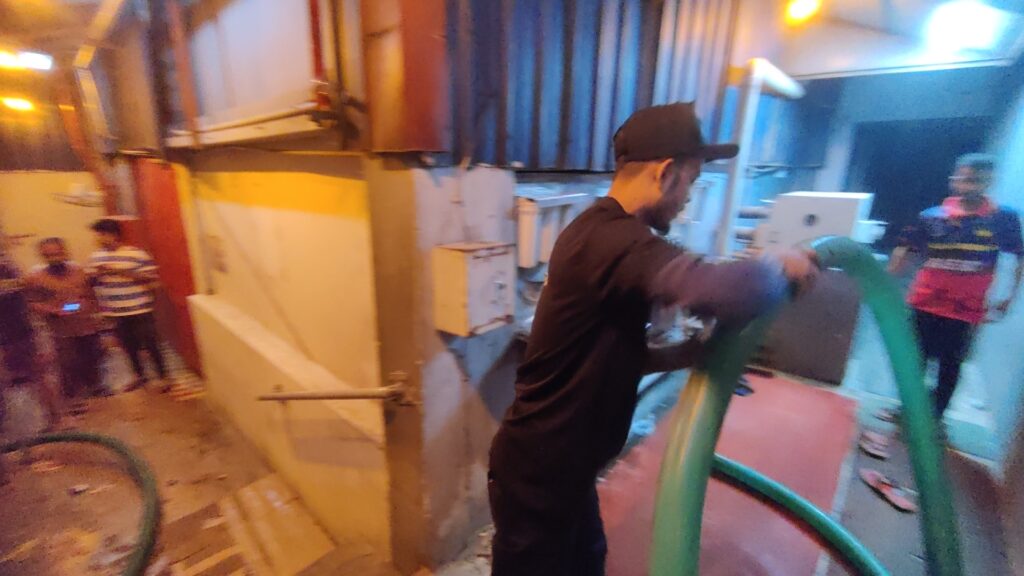
At ASL Services BD, we follow a systematic and safety-focused cleaning process tailored to the condition and usage of each ETP system. Our approach ensures effective cleaning while minimizing disruption to your operations.
Initial Assessment and Preparation
We begin with a site inspection to understand tank size, waste type, sludge level, and safety requirements. Based on this assessment, we plan manpower, equipment, chemicals, and safety measures.
Preliminary Cleaning
Floating waste, oil, grease, and loose solids are removed first. This step improves accessibility and prepares the tank for deeper cleaning.
Primary Sludge Removal
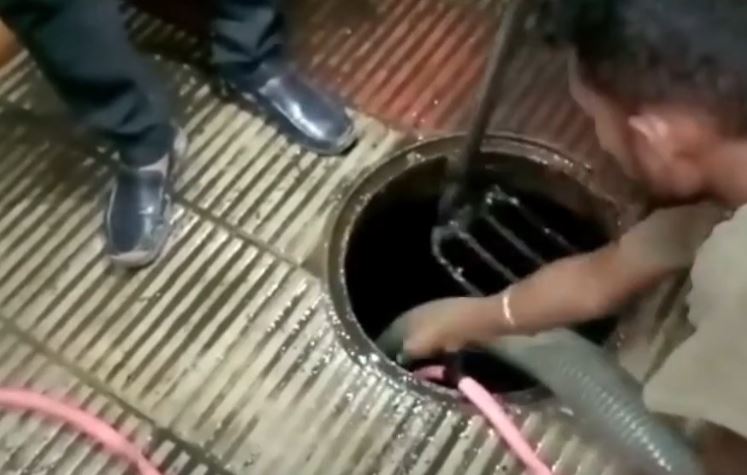
Settled sludge and heavy suspended matter are extracted from the tank base and walls using appropriate tools and vacuum systems. This restores tank capacity and flow efficiency.
Secondary Cleaning and Washing
High-pressure water cleaning is used to remove remaining organic buildup and residues that affect treatment performance. Where required, controlled chemical cleaning is applied to break down stubborn deposits.
Final Rinsing and Inspection
The tank is thoroughly rinsed and visually inspected to ensure cleanliness and structural safety. Our supervisors verify that the system is ready for operation.
Waste Handling and Documentation
All removed waste is handled responsibly following environmental guidelines. We maintain proper work records and cleaning documentation for compliance and future maintenance planning.
This structured process allows us to deliver a reliable ETP tank cleaning service that supports long-term efficiency, safety, and regulatory compliance.
Why Choose ASL Services BD for ETP Tank Cleaning
Experienced and Safety-Trained Team
Our technicians are trained to work in industrial and confined space environments where safety and precision matter most. Every project follows established safety procedures, and our team uses proper protective equipment to ensure risk-free operations.
Preventive, Not Reactive Maintenance
We focus on identifying sludge buildup, residue formation, and early signs of corrosion before they cause system failure. This preventive approach helps reduce unexpected breakdowns, downtime, and long-term repair costs.
Controlled and Responsible Cleaning Methods
Chemical usage is carefully planned and applied only when necessary. This protects your ETP system, supports environmental responsibility, and helps maintain stable treatment performance.
Supervised Work and Quality Control
Each ETP tank cleaning job is monitored by experienced supervisors to ensure the work meets operational, safety, and compliance standards. No step is rushed or overlooked.
Clear Documentation and Compliance Support
We maintain detailed service records and cleaning reports that support environmental audits and future maintenance planning. This adds an extra layer of accountability and peace of mind.
Minimal Disruption to Your Operations
We coordinate closely with your facility team to complete the cleaning efficiently and on schedule, helping you maintain smooth operations with minimal downtime.
With ASL Services BD, you get a dependable ETP tank cleaning service built on experience, safety, and long-term reliability. Our goal is simple: keep your ETP system running efficiently without disrupting your operations.
Industries We Serve
Our ETP tank cleaning service is designed to support industries that manage complex wastewater and operate under strict environmental regulations. We understand that each industry generates different types of effluents, and our cleaning approach is adjusted based on waste composition, treatment processes, and operational demands.
Pharmaceutical Manufacturing
Pharmaceutical plants produce wastewater containing active ingredients, solvents, and chemical residues. We help maintain clean and efficient ETP tanks that support consistent treatment performance and regulatory compliance.
Chemical and Specialty Chemical Industries
Chemical facilities deal with high-strength effluents that can cause rapid sludge buildup and corrosion. Our ETP tank cleaning service helps control contamination, protect tank structures, and maintain safe operations.
Textile Dyeing and Washing Units
Textile and garment factories generate wastewater with dyes, fibers, and suspended solids. Regular ETP tank cleaning ensures stable treatment efficiency and prevents blockages that disrupt production.
Food and Beverage Processing
Effluents from food processing plants often contain organic waste, oils, and grease. Our cleaning process helps prevent biological imbalance and odor issues while keeping treatment systems running smoothly.
Printing, Packaging, and Paint Industries
These industries release wastewater with inks, pigments, and chemical residues. We provide targeted ETP tank cleaning to reduce buildup and maintain proper treatment flow.
Commercial and Large Industrial Facilities
From large complexes to mixed-use industrial operations, we support facilities that rely on ETP systems to manage wastewater responsibly and meet environmental standards.
ASL Services BD works closely with each client to deliver reliable ETP tank cleaning solutions that protect operations, the environment, and long-term system performance..
Service Coverage Area
Dhaka City & Surrounding Areas
- Dhaka
- Gazipur
Central & Commercial Zones
- Gulshan 1 & Gulshan 2
- Banani
- Baridhara (1212)
- Mohakhali (1212)
- New Eskaton
Residential & Mixed-Use Areas
- Uttara
- Dhanmondi (1205)
- Mohammadpur
- Badda
- Rampura
- Banasree
- Wari
Mirpur & DOHS Areas
- Mirpur-1
- Mirpur-2
- Mirpur-10
- Mirpur-11 (1216)
- Mirpur DOHS
Benefits of Regular ETP Tank Cleaning
Regular ETP tank cleaning is not just a maintenance task—it’s a critical step in ensuring your wastewater treatment system operates efficiently, safely, and in compliance with environmental standards. ASL Services BD helps businesses prevent problems before they escalate, protecting both operations and the environment.
Maintains Tank Efficiency
Cleaning removes sludge, debris, and chemical residues that can slow down wastewater treatment. A well-maintained tank ensures your ETP system operates at peak efficiency, keeping your facility running smoothly.
Prevents Corrosion and Structural Damage
Organic waste and chemical buildup can cause rust and corrosion over time. Regular cleaning protects the tank’s structural integrity, reducing the risk of leaks and costly repairs.
Supports Regulatory Compliance
Industries must meet strict environmental and health regulations. Routine ETP tank cleaning ensures your facility consistently meets effluent discharge standards and avoids penalties.
Reduces Maintenance Costs
By preventing sludge accumulation and early-stage corrosion, regular cleaning lowers long-term maintenance and repair costs, saving your business both time and money.
Protects Connected Systems
Clean tanks prevent blockages and damage in associated pipelines, pumps, and valves. This keeps your entire wastewater management system functioning properly and reduces downtime.
Minimizes Health and Environmental Risks
Regular cleaning eliminates harmful bacteria, sludge, and chemical residues that could pose health hazards to personnel or pollute surrounding water sources.
Extends Equipment Lifespan
Consistent maintenance through tank cleaning helps prolong the life of your ETP tanks and associated treatment equipment, ensuring better performance for years to come.
By investing in regular ETP tank cleaning, your facility stays efficient, compliant, and safe—while avoiding costly emergencies and production delays.
Frequently Asked Questions About ETP Tank Cleaning
1. What is ETP tank cleaning?
ETP tank cleaning is a specialized service for removing sludge, chemical residues, and biological waste from effluent treatment plant tanks. These tanks handle complex industrial wastewater, and regular cleaning prevents contamination, protects the environment, and ensures your system operates efficiently.
2. How often should ETP tanks be cleaned?
The cleaning frequency depends on the tank’s use, stored materials, and contamination levels. Generally, ETP tanks should be cleaned at least once a year. Tanks handling highly toxic or hazardous effluents may require more frequent cleaning to maintain safety and compliance.
3. What are the benefits of ETP tank cleaning?
Regular ETP tank cleaning provides multiple advantages:
- Prevents environmental contamination by removing toxic residues
- Ensures compliance with government and safety regulations
- Maintains tank integrity and prevents corrosion
- Improves safety for personnel by reducing exposure to hazardous substances
- Reduces long-term repair costs and extends equipment lifespan
4. What equipment is used for ETP tank cleaning?
Common equipment includes:
- High-pressure water jets to remove sludge and buildup
- Vacuum trucks for extracting liquid and sludge
- Specialized chemical cleaning agents for breaking down tough residues
- Protective gear such as respirators, gloves, and goggles
- Monitoring and confined space entry equipment to ensure safety during cleaning
5. What safety precautions are taken during cleaning?
Safety is critical in ETP tank cleaning. Key precautions include:
- Use of proper PPE and protective clothing
- Trained personnel for confined space entry
- Adequate ventilation and gas monitoring
- Emergency response planning
- Proper handling and disposal of waste
- Thorough staff training for safe operations
6. Can ETP tank cleaning be performed while the tank is in use?
It is generally recommended to empty tanks before cleaning. Cleaning while the tank is in use may risk contaminating stored effluents. If unavoidable, specialized equipment and carefully controlled processes are required to ensure safety and prevent contamination.
7. How long does ETP tank cleaning take?
The duration depends on tank size, shape, and contamination levels. A typical cleaning can take several hours to a few days, including preparation, cleaning, rinsing, and waste disposal. Large or heavily contaminated tanks may require more time.
8. What chemicals are used in ETP tank cleaning?
Common chemicals include:
- Alkaline agents (sodium hydroxide, sodium carbonate) for organic waste
- Acidic agents (hydrochloric acid, sulfuric acid) for mineral deposits
- Solvents for stubborn residues
- Disinfectants (chlorine-based, hydrogen peroxide) for microbial control
9. Can ETP tank cleaning remove all types of contaminants?
ETP tank cleaning removes most organic and inorganic wastes, sediments, sludge, and microbial growth. However, some persistent contaminants like heavy metals may require specialized treatment beyond standard cleaning. Regular inspections and testing ensure quality and safety.
10. What are common challenges in ETP tank cleaning?
Challenges include:
- Difficult-to-access tanks
- Large or irregular tank shapes
- Varied contamination types requiring different cleaning methods
- Safety risks from chemicals and confined spaces
- Environmental concerns over wastewater disposal
- Downtime for production systems
Partnering with an experienced ETP tank cleaning provider like ASL Services BD ensures these challenges are managed efficiently, keeping your system safe, compliant, and fully operational.